
Explore Antalya
Antalya: The Crown Jewel of the Turkish Riviera
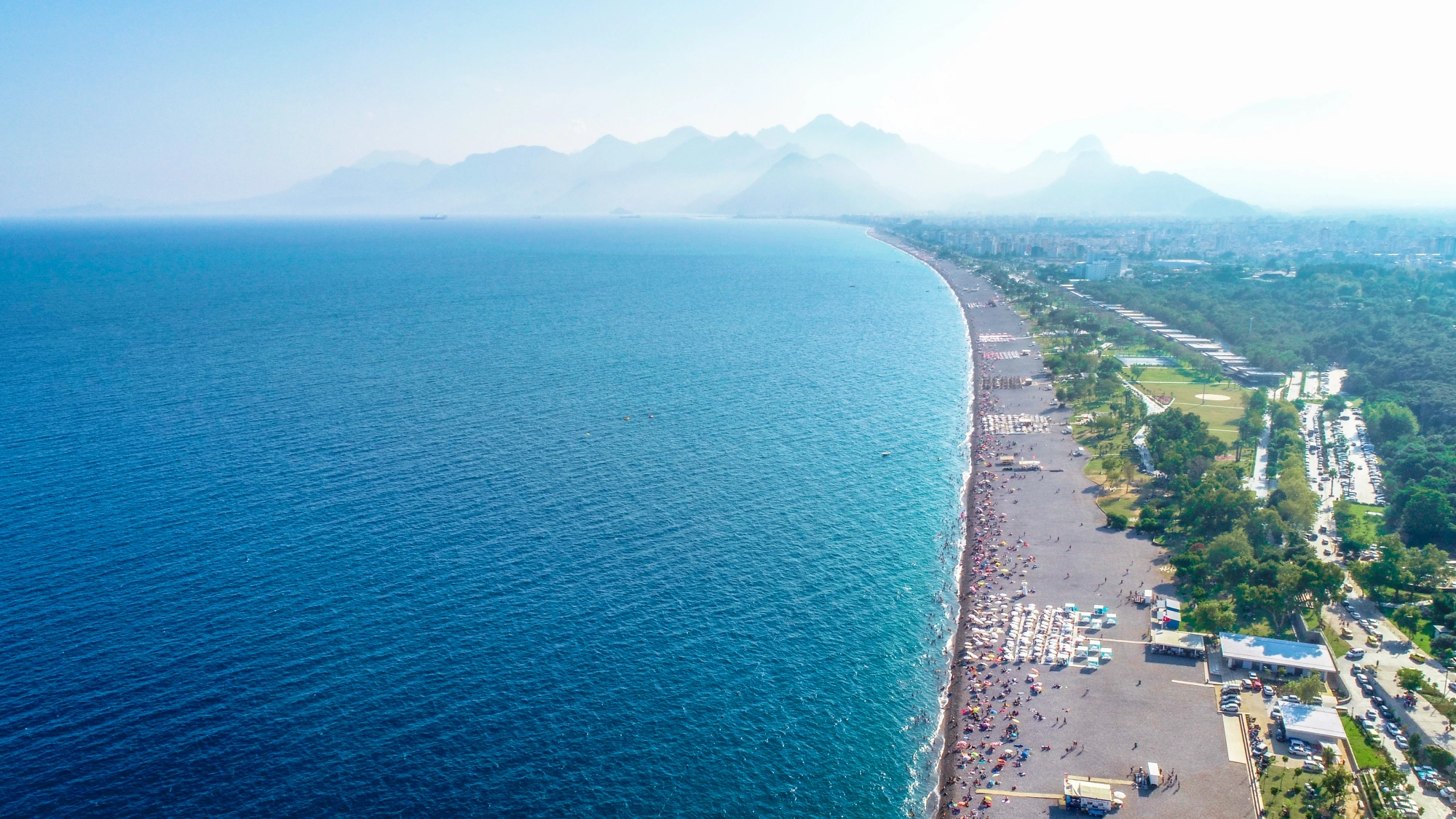
Nestled between the rugged Taurus Mountains and the sparkling Mediterranean Sea, Antalya is much more than just a gateway to Turkey’s south coast. Known as the “Capital of Turkish Tourism,” this vibrant city offers a seamless blend of ancient history, world-class luxury resorts, and some of the most beautiful beaches on the Turquoise Coast.
Whether you’re a family looking for all-inclusive ease, a couple seeking a romantic boutique retreat, or a history buff eager to walk in the footsteps of Romans, Antalya is a destination that truly delivers.
Why Visit Antalya in 2026?
Antalya has consistently ranked as one of the most-visited cities in the world, and for good reason. With over 300 days of sunshine a year, it is the perfect year-round destination for British travellers looking to swap grey skies for golden sands.
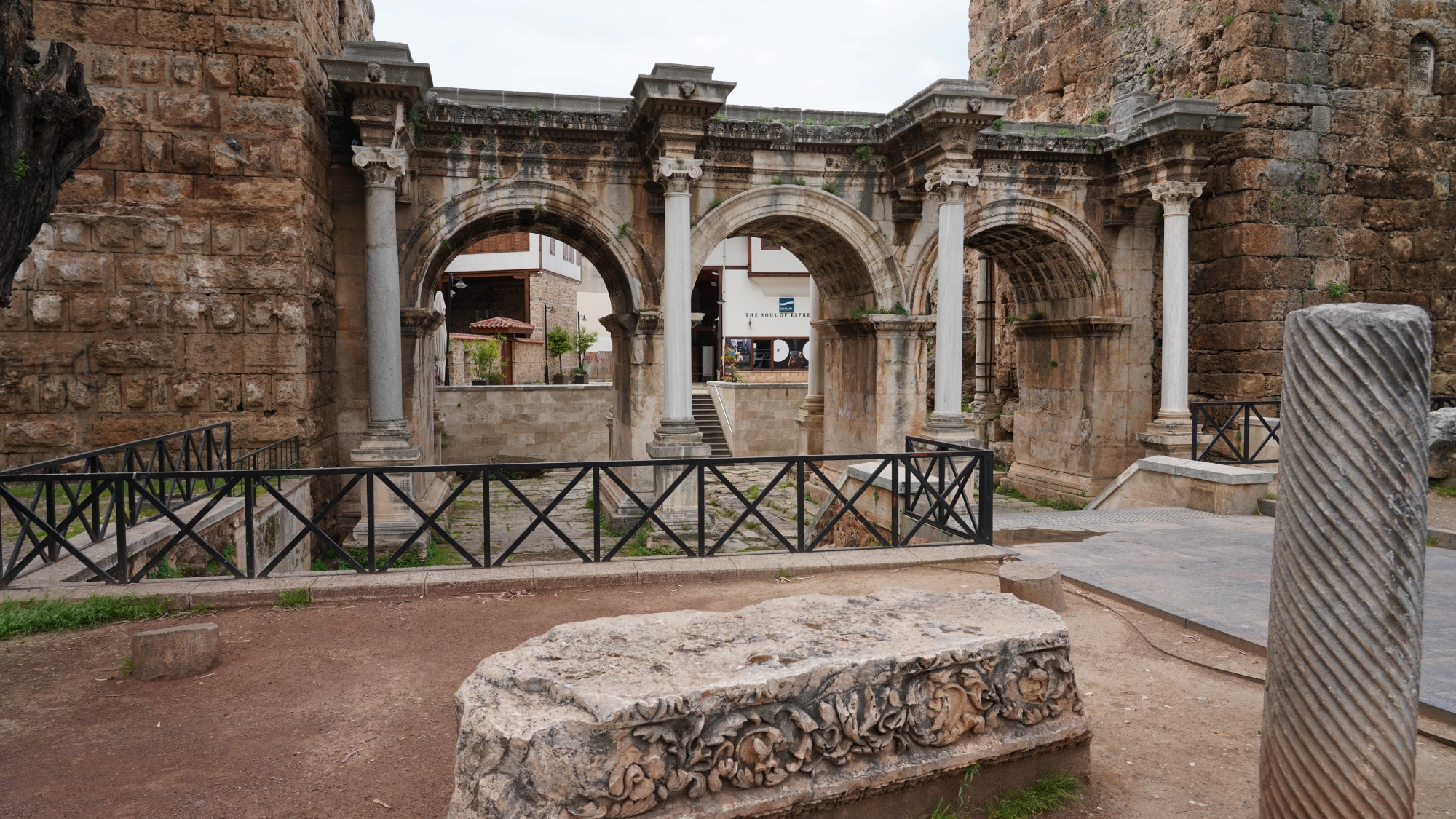
- Historic Charm: Explore Kaleiçi, the beautifully preserved Old Town. Wander through narrow cobblestone streets, admire Ottoman-era architecture, and enter through the monumental Hadrian’s Gate, built in 130 AD.
- Pristine Beaches: From the trendy beach clubs of Lara Beach (often called the Las Vegas of Turkey) to the dramatic pebbled shores of Konyaaltı, there is a spot for every sunseeker.
- Ancient Wonders: Within a short drive, you can marvel at the Aspendos Theatre—one of the best-preserved Roman theatres in existence—or the cliffside ruins of Termessos.
- Natural Beauty: Don’t miss the Düden Waterfalls, where fresh water cascades directly into the Mediterranean, or a day trip to the “Turkish Maldives,” Suluada Island.
A Paradise for Every Traveller
Antalya caters to all budgets and styles. The city centre offers bustling bazaars and modern shopping malls, while the nearby district of Belek is a world-renowned hub for golfing holidays, boasting championship courses that rival those of Portugal and Spain. For families, the Land of Legends Theme Park provides a magical escape with world-class aquaparks and evening shows.
From the aromatic flavours of authentic Turkish cuisine in a traditional harbour-side restaurant to the rejuvenating experience of a centuries-old Hammam (Turkish Bath), Antalya is an invitation to experience the very best of Mediterranean life.
Kaleiçi: Stepping Back in Time in Antalya’s Enchanting Old Town
If Antalya is the heart of the Turkish Riviera, Kaleiçi is its soul. Tucked behind ancient stone walls, this historic district—known simply as Antalya Old Town—is a labyrinth of narrow, winding streets, whitewashed Ottoman mansions, and hidden courtyards. For many UK holidaymakers, a visit to Kaleiçi is the highlight of their trip, offering a peaceful, authentic contrast to the large-scale resorts of the coast.
The Gateway to History
Your journey into the past typically begins at Hadrian’s Gate. This remarkably well-preserved Roman triumphal arch was built in 130 AD to honour the visit of Emperor Hadrian. Walking through its three marble arches feels like a portal into another era.
As you wander deeper into the cobbled streets, you’ll encounter the iconic Yivli Minare (Fluted Minaret), a 13th-century Seljuk masterpiece that dominates the skyline, and the Kesik Minare (Broken Minaret), which tells a story of Roman, Byzantine, and Ottoman transitions.
Charming Stays and Boutique Luxury
Kaleiçi is famous for its boutique hotels. Many of the traditional Ottoman-era houses have been painstakingly restored into stylish accommodation, featuring:
- Secluded courtyards with turquoise swimming pools.
- Bougainvillea-draped balconies overlooking the Mediterranean.
- Authentic Turkish breakfast served in lush gardens.
Staying in the Old Town allows you to enjoy the best of both worlds: the charm of a bygone era with the modern comforts of high-speed Wi-Fi and air-conditioned luxury.
Dining and Nightlife by the Marina
The district gently slopes down towards the Old Harbour (Kaleiçi Marina). Here, you can watch the sun set over the sea while enjoying fresh seafood at a waterfront restaurant.
- Mermerli Beach: A small, private beach club tucked right under the cliffs, perfect for a refreshing dip between sightseeing stops.
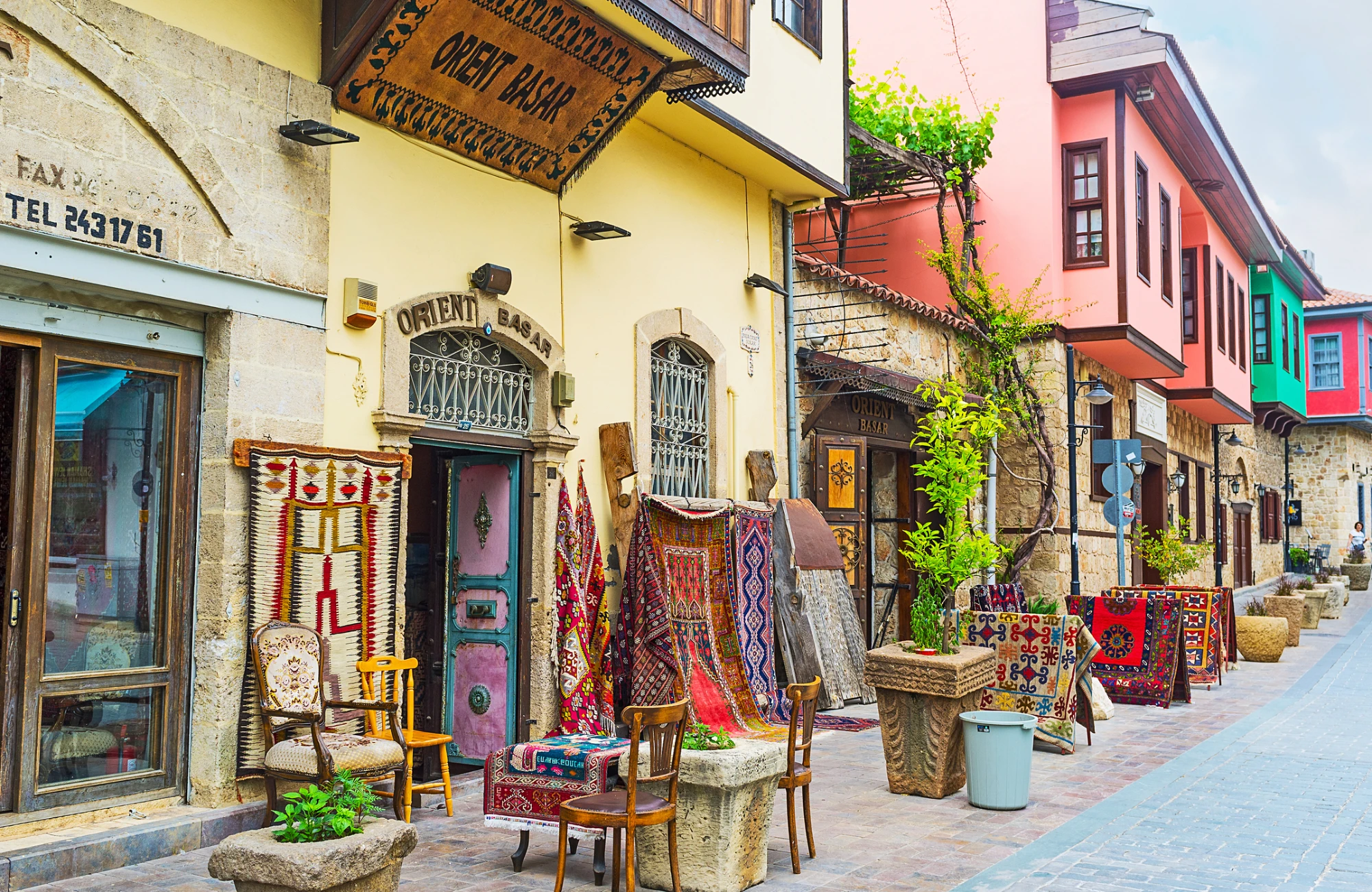
- Bazaars and Shopping: Discover artisan crafts, hand-woven carpets, and unique antiques in the small boutiques that line the main thoroughfares.
- Nightlife: When the sun goes down, Kaleiçi comes alive. From sophisticated wine bars to lively pubs with live music, the atmosphere is vibrant yet intimate.
Top Tips for Your Visit
- Wear comfortable shoes: The historic cobblestones are beautiful but can be uneven.
- Take the Glass Lift: For the best panoramic views of the harbour and the Taurus Mountains, use the panoramic elevator located at Republic Square.
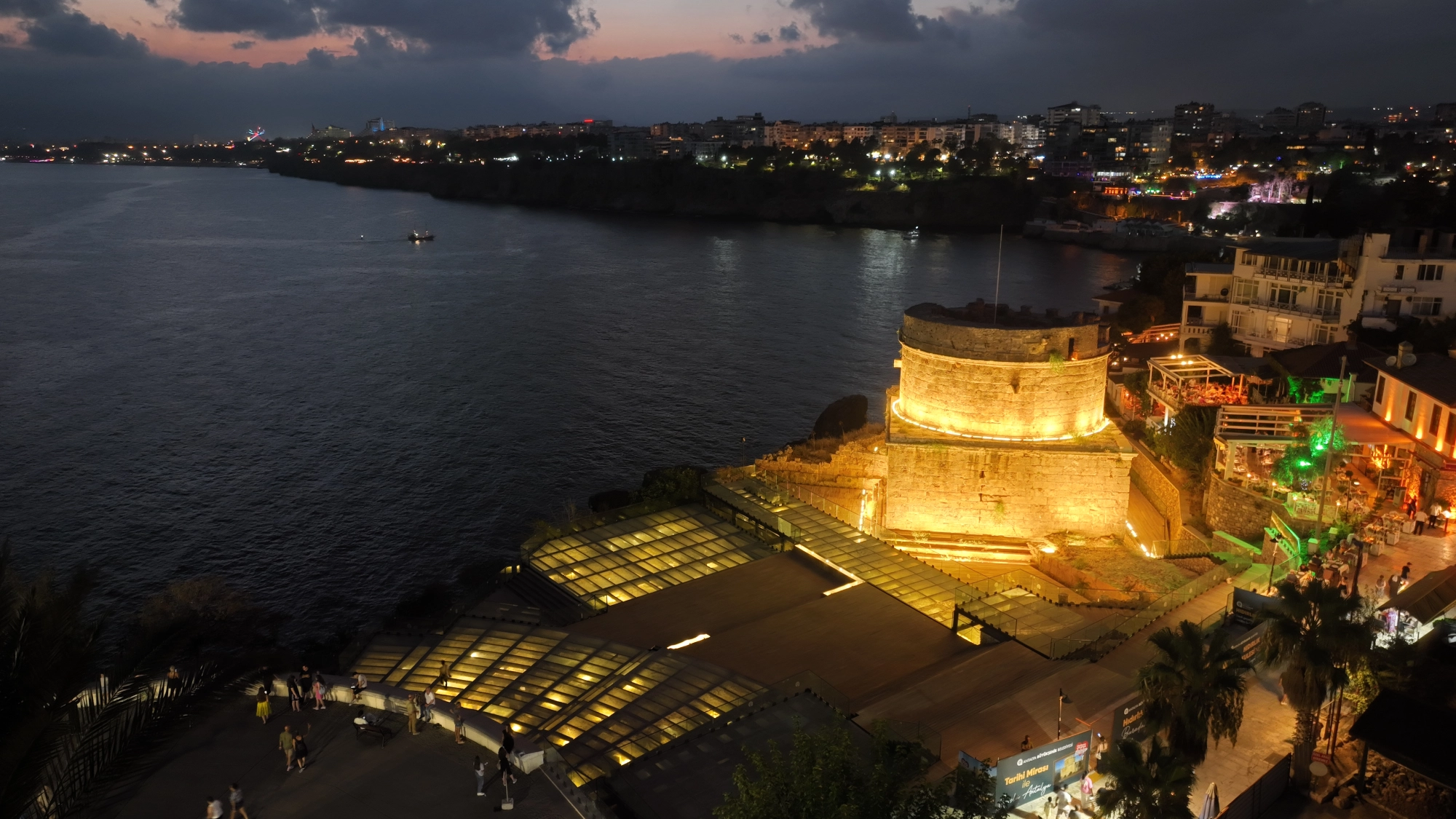
- Golden Hour: Visit the Hıdırlık Tower at sunset for some of the most spectacular photography opportunities on the coast.
Konyaaltı: Where the Mountains Meet the Mediterranean
Located on the western edge of the city, Konyaaltı is a vibrant, modern district that offers a perfect blend of natural beauty and urban convenience. Best known for its stunning 7-kilometre stretch of Blue Flag beach, Konyaaltı is the go-to destination for travellers who want crystal-clear waters with the dramatic, jagged peaks of the Taurus Mountains as their backdrop.
Unlike the sandy shores of the east, Konyaaltı’s distinctive pebble beach keeps the sea exceptionally clear, making it a premier spot for snorkelling and diving in Antalya.
The Konyaaltı Beach Park Experience
The recently renovated Beach Park area has transformed the seafront into a world-class leisure destination. The wide, palm-lined promenade is perfect for a morning cycle or an evening stroll.
- Beachfront Dining: The promenade is dotted with stylish cafés, bistros, and international restaurants where you can enjoy everything from a traditional Turkish tea to high-end Mediterranean cuisine.
- Family Fun: Konyaaltı is the entertainment hub of the city. It is home to the Antalya Aquarium—one of the largest tunnel aquariums in the world—and Aktur Park, the city’s largest amusement park featuring the “Heart of Antalya” Ferris wheel.
- Public Spaces: Enjoy the beautifully landscaped green spaces of Atatürk Park, which sits on the cliffs overlooking the bay, offering some of the most photographed views in Turkey.
Adventure and Breathtaking Views
For those looking to escape the heat and see the coast from a different perspective, the Tünektepe Cable Car (Teleferik) is a must-visit. The ride takes you up to 605 metres above sea level, providing panoramic views of the Antalya city centre, the vast Mediterranean, and the surrounding pine forests.
Konyaaltı also serves as the gateway to the west, making it the ideal base for day trips to the ancient mountain city of Termessos or the turquoise bays of Kemer.
Why Choose Konyaaltı?
While Lara is famous for its large all-inclusive resorts, Konyaaltı offers a more “local” and sophisticated vibe. It is home to some of Antalya’s best luxury city hotels and modern apartments, making it a favourite for digital nomads and travellers who prefer a “walkable” holiday where the beach, shopping malls (like Migros 5M), and the Old Town are all within easy reach.
Atatürk Parkı: Antalya’s Scenic Cliff-Top Escape
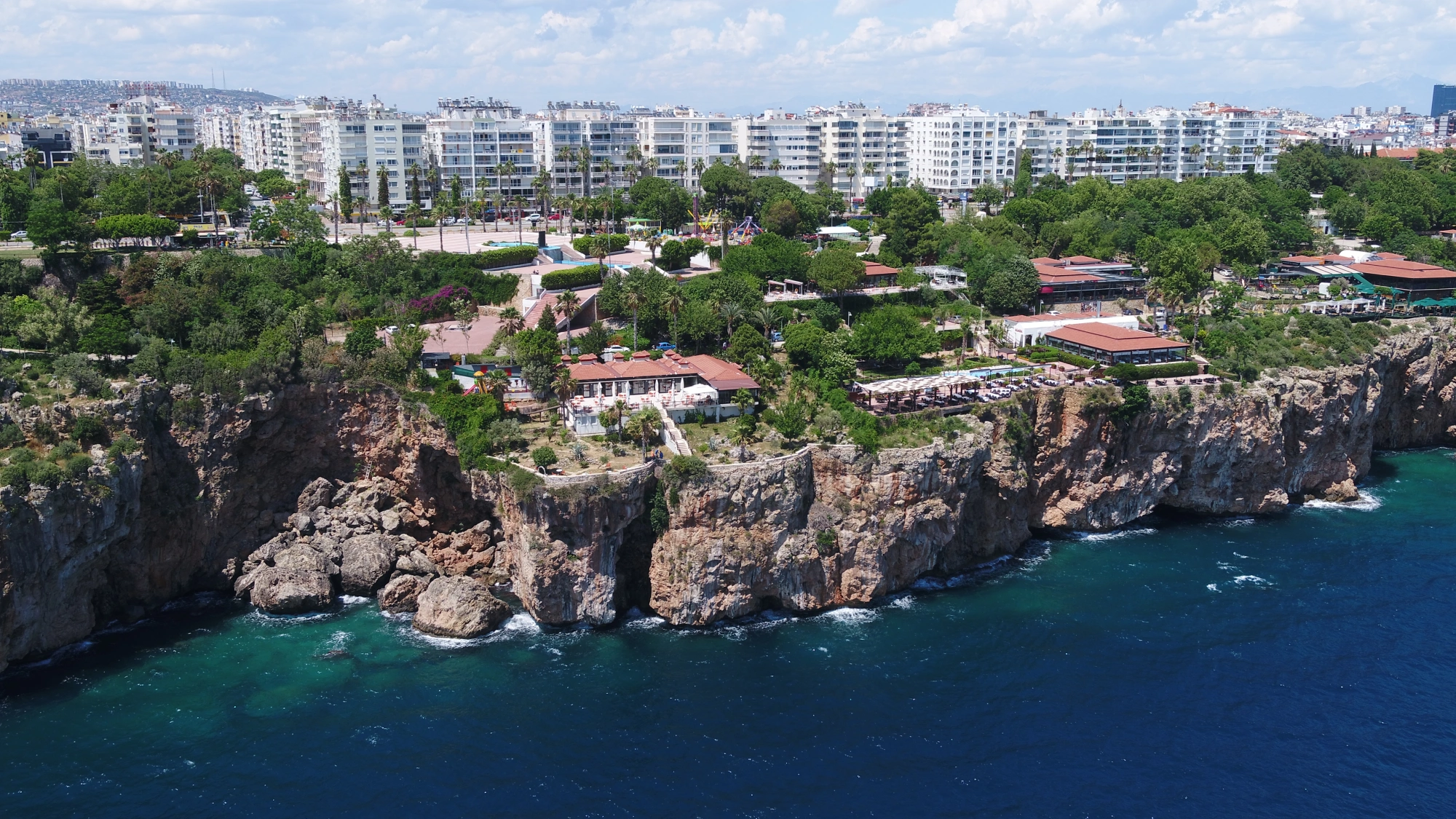
Perched majestically atop the famous limestone cliffs of the city, Atatürk Parkı is a local favourite that offers some of the most spectacular views in all of Turkey. Stretching between the historic Old Town and the modern Konyaaltı district, this lush green belt is the perfect place to experience the Mediterranean’s natural beauty without leaving the city centre.
Whether you are looking for a romantic sunset spot, a family-friendly playground, or a high-end dining experience, Atatürk Parkı serves as a tranquil oasis above the bustling turquoise waters.
Breathtaking Panoramas and Leisure
The park is renowned for its winding walking paths and shaded benches that look directly out over the Gulf of Antalya. On a clear day, the contrast between the deep blue sea and the snow-capped Taurus Mountains is nothing short of breathtaking.
- Walking & Cycling: The wide, well-maintained promenade is ideal for a morning jog or a leisurely stroll. It connects seamlessly to the Varyant (the scenic road leading down to Konyaaltı Beach), making it a popular route for active travellers.
- Botanical Beauty: The park is home to a diverse range of Mediterranean flora, exotic flowers, and towering palms, providing plenty of shade during the warm summer months.
- Family Spaces: With modern play areas for children and plenty of open green space for picnics, it is a top choice for families visiting Antalya.
A Hub for Fine Dining and Cafés
One of the primary reasons tourists and locals flock to Atatürk Parkı is its incredible selection of restaurants and bistros. Many of these establishments feature outdoor terraces built right on the edge of the cliffs.
- Sunset Dinners: Experience authentic Turkish flavours and fresh seafood while watching the sun dip below the horizon. The park hosts several renowned eateries, including the famous 7 Mehmet, often cited as one of the best restaurants in Turkey.
- Traditional Tea Gardens: For a more relaxed afternoon, visit one of the many çay bahçesi (tea gardens) to enjoy a glass of Turkish tea or a traditional coffee with a panoramic view.
Practical Information for Visitors
- Location: Centrally located in the Muratpaşa district, easily accessible via the Nostalgic Tram (get off at the ‘Müze’ or ‘Barbaros’ stops).
- Best Time to Visit: Arrive an hour before sunset to witness the “Golden Hour,” when the cliffs and sea are bathed in a warm, orange glow—perfect for photography.
- Accessibility: The park is flat and paved, making it fully accessible for strollers and wheelchairs.
Aspendos: The World’s Best-Preserved Roman Theatre
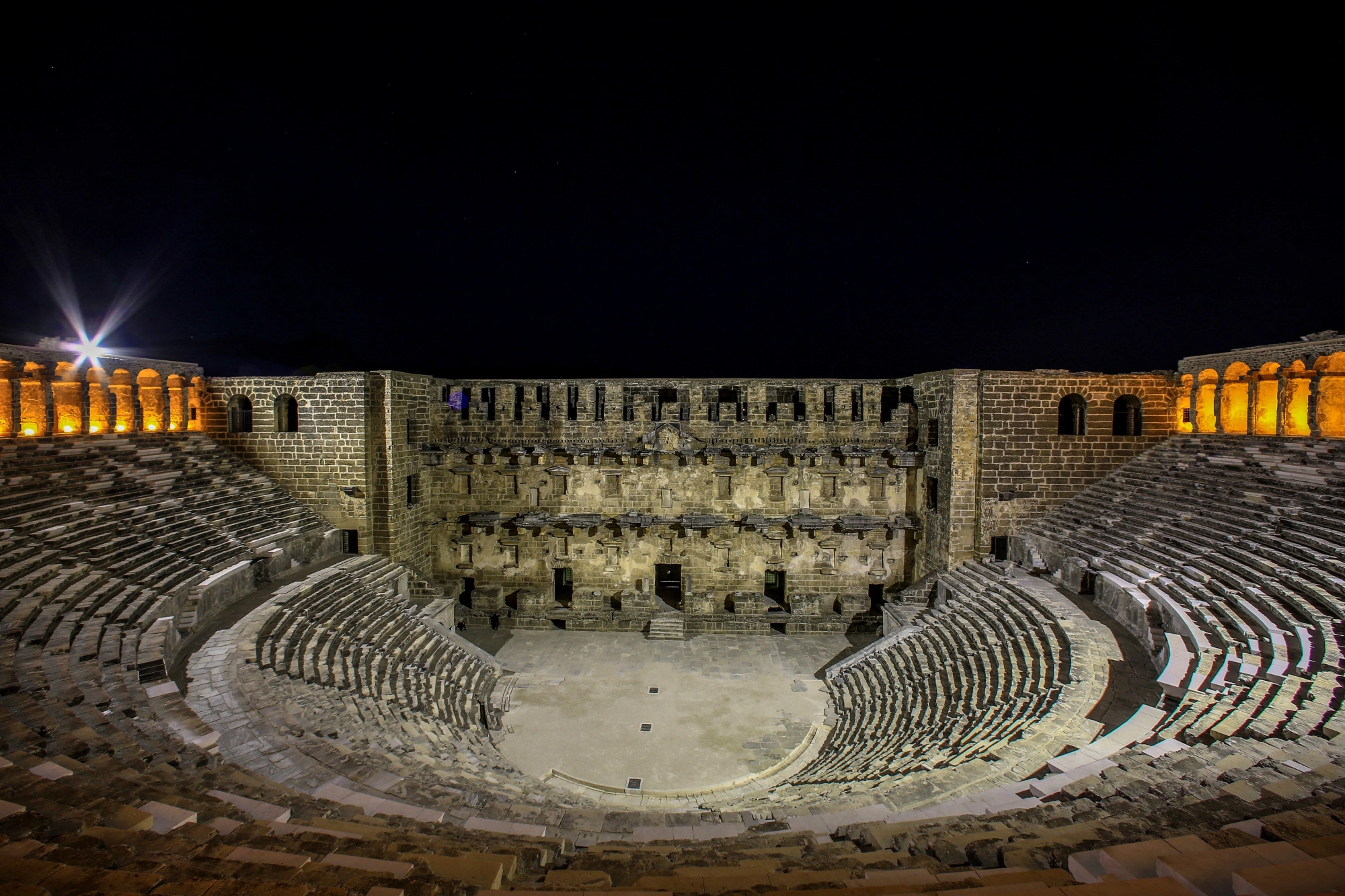
Located just 45 kilometres east of Antalya, Aspendos is an archaeological marvel that stands as a testament to the sheer brilliance of Roman engineering. While Turkey is home to many ancient ruins, Aspendos is unique; its crown jewel, the Great Theatre, is widely considered the best-preserved Roman theatre in existence today.
Built in the 2nd century AD during the reign of Emperor Marcus Aurelius, this monumental structure has survived nearly 2,000 years with its original stage building almost entirely intact—an architectural feat that continues to baffle and inspire historians.
Experience the Perfection of Ancient Acoustics
The theatre was designed by the Greek architect Zeno, and its legendary acoustics are world-renowned. Even today, a whisper in the orchestra (the semi-circular performance area) can be heard clearly from the highest of its 40 rows of seating.
The Aspendos International Opera and Ballet Festival: Every September, the theatre returns to its original purpose. Watching a live performance of Swan Lake or Turandot under the stars, within walls that have stood for millennia, is a bucket-list experience for any culture seeker visiting the Turkish Riviera.
Architecture & Art: Marvel at the intricate facade of the stage building, once decorated with grand statues and marble carvings designed to reflect the “Glory of Rome.”
Beyond the Theatre: The Ancient City
While the theatre is the main draw, the wider ancient city of Aspendos offers much more for the intrepid explorer:
- The Roman Aqueducts: Rising high above the plains, these are some of the most impressive remains of Roman water systems in the Mediterranean, once carrying water from the mountains 15 kilometres away.
- The Acropolis: Hike up the hill behind the theatre to discover the ruins of the Basilica, the Nymphaeum (monumental fountain), and the Agora (marketplace), offering panoramic views of the Köprüçay River.
- The Seljuk Influence: Interestingly, the theatre was also used as a palace by the Seljuk Turks in the 13th century, which contributed to its remarkable state of preservation.
Practical Tips for British Travellers
- Best Time to Visit: To beat the Mediterranean heat, aim for an early morning visit. The light at 8:00 AM is perfect for photography, and you’ll avoid the midday tour bus crowds.
- Combine Your Trip: Aspendos is perfectly situated for a full day of history. Most visitors combine it with a trip to the nearby ruins of Perge and the cooling mist of the Kursunlu Waterfall.
- Footwear: The stone steps of the theatre are steep and can be slippery; sturdy trainers or walking shoes are highly recommended.
Demre: The Home of St Nicholas and Ancient Lycian Wonders
Located approximately 140 kilometres west of Antalya, Demre (historically known as Myra) is a destination of profound historical and religious significance. For British travellers, it offers a unique opportunity to walk through the real-world history of one of the world’s most beloved figures—Saint Nicholas—while exploring some of the most dramatic archaeological ruins on the Turquoise Coast.
Whether you are visiting for a spiritual pilgrimage or to marvel at the cliffside necropolis, Demre is a must-see stop on any tour of Southern Turkey.
The Church of St Nicholas: The Real Father Christmas
Demre is most famous as the home of St Nicholas, the 4th-century Bishop of Myra whose reputation for secret gift-giving and generosity became the inspiration for Santa Claus.
- The Byzantine Basilica: The St Nicholas Church is a beautifully preserved Byzantine structure that houses the saint’s original marble sarcophagus.
- Frescoes and Mosaics: Inside, you can admire stunning 11th-century wall paintings and intricate floor mosaics that reflect the spiritual importance of the site during the Middle Ages.
- A Pilgrimage Site: To this day, the church remains a vital site for visitors from around the world, especially during the feast of St Nicholas in December.
Myra Ancient City: Cliffs of the Dead
Just a short drive from the town centre lies the ancient city of Myra, one of the most powerful members of the Lycian League. The site is famous for two incredible features:
- Lycian Rock Tombs: Carved directly into the sheer rock face, these elaborate house-type tombs date back to the 4th century BC. The Lycians believed that winged creatures carried the souls of the dead to the afterlife, which is why these “sky tombs” were built so high on the cliffs.
- The Roman Theatre: Below the tombs sits a magnificent, well-preserved theatre that once seated over 11,000 spectators. It remains one of the largest and most impressive examples of Roman architecture in the region.
Gateways to the Sunken City of Kekova
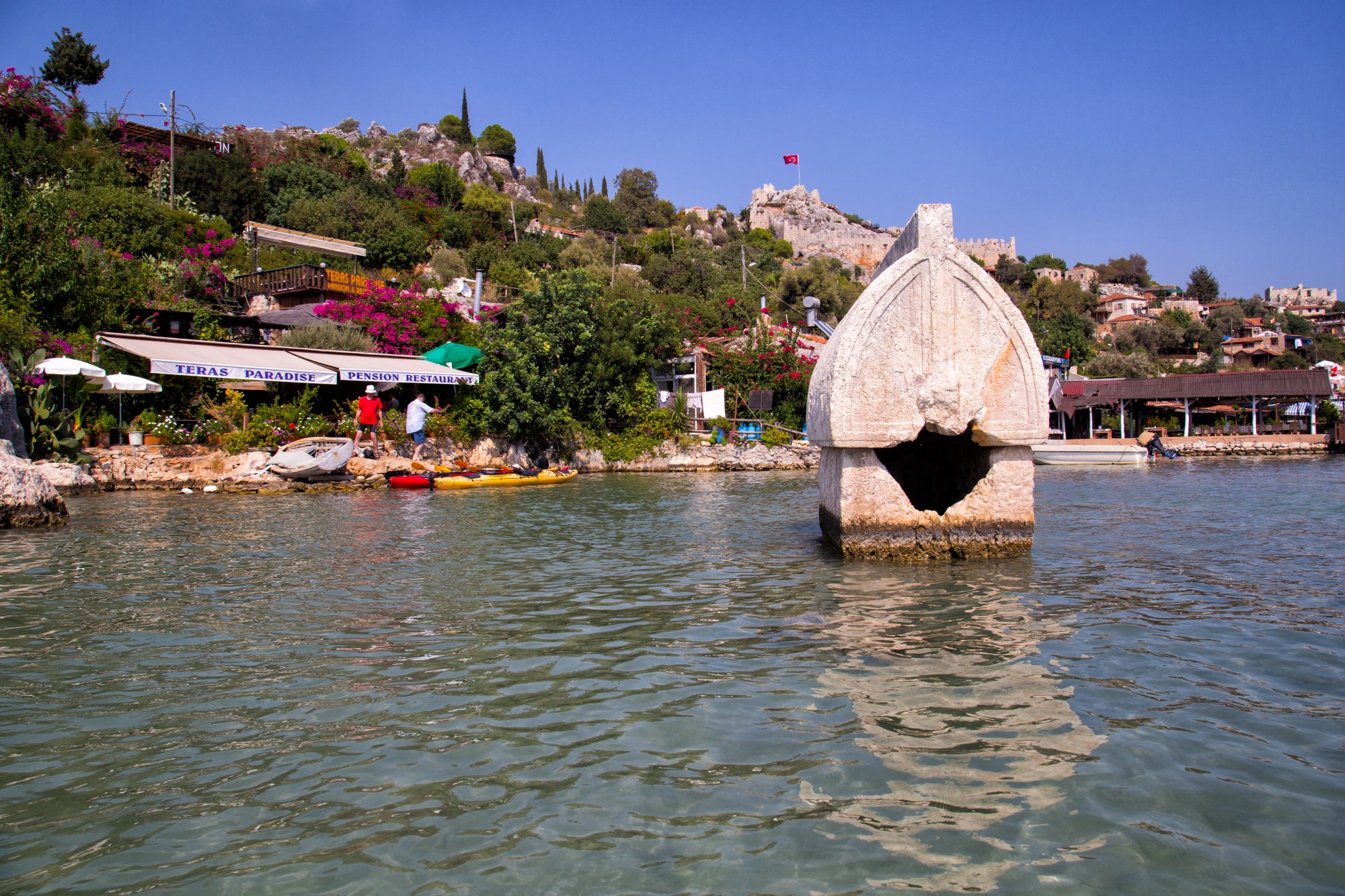
Demre is also the primary departure point for boat trips to Kekova Island. From the nearby Çayağzı Harbour, you can board a glass-bottomed boat to view the hauntingly beautiful Sunken City—ancient ruins submerged beneath the crystal-clear Mediterranean following an earthquake in the 2nd century.
Travel Tips for Your Visit
- Getting There: Demre is easily accessible via a scenic coastal drive from Antalya (approx. 2.5 hours) or as a popular day trip from the nearby town of Kaş.
- Combine Your Trip: Most UK tourists visit Demre, Myra, and Kekova as a combined full-day excursion.
- Local Flavour: Don’t forget to try the local citrus fruits and pomegranate juice; the Demre plains are some of the most fertile in the Antalya province.
Altınbeşik Cave: Turkey’s Largest Underground Lake
Deep within the heart of the Taurus Mountains, near the charming village of Ürünlü, lies Altınbeşik Cave—a breathtaking natural wonder that feels like a scene from an adventure film. As Turkey’s largest and the world’s third-largest underground lake cave, it offers a cool, mystical escape for those looking to explore the wilder side of the Antalya province.
Known locally as the “Golden Cradle” due to the warm, golden colour of its limestone arches, this cave is a must-visit for nature lovers and photography enthusiasts.
A Magical Boat Journey Underground
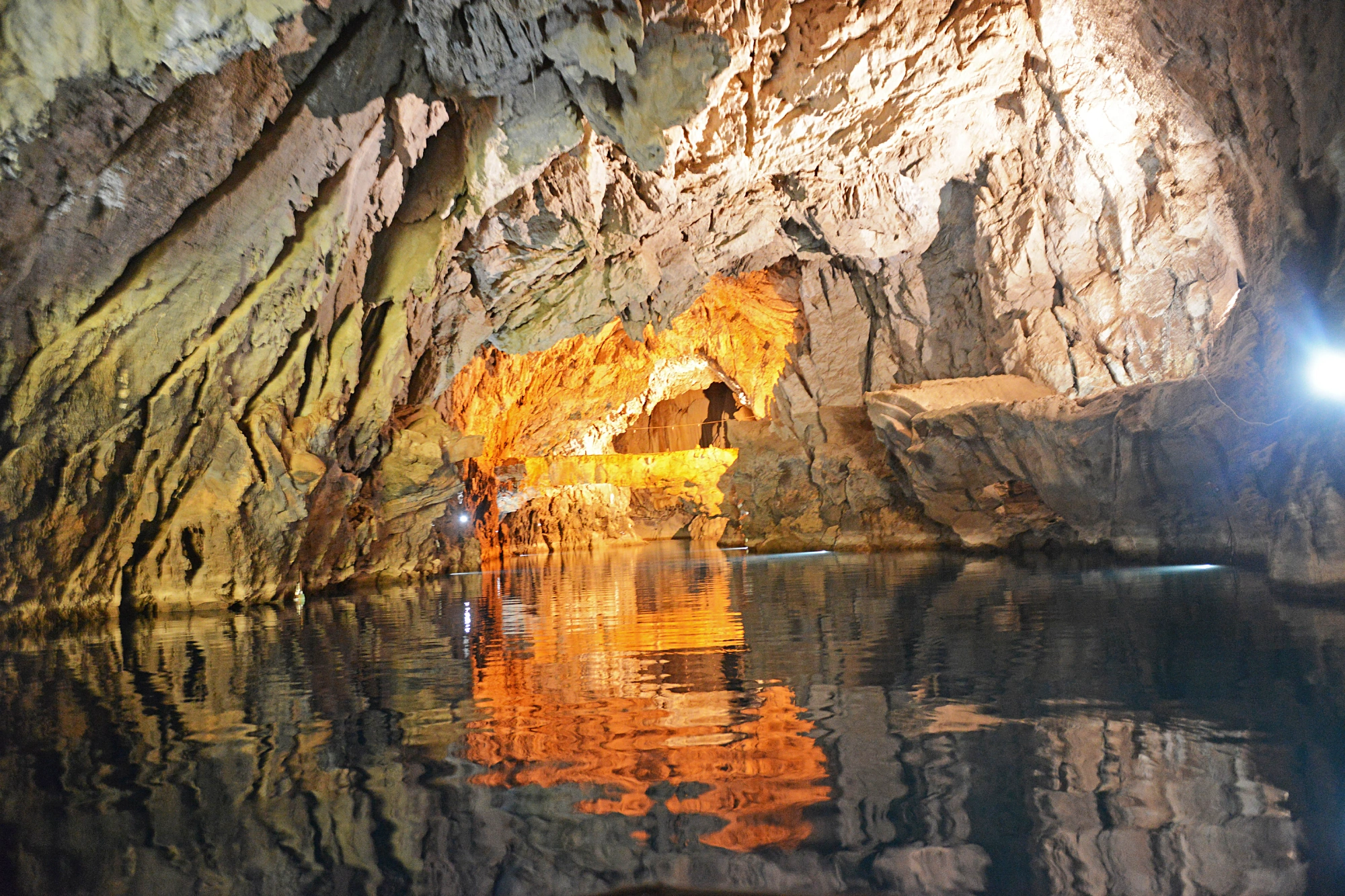
The only way to truly experience Altınbeşik is by water. Visitors can board small, silent boats to glide across the crystal-clear, turquoise waters of the subterranean lake.
- Stunning Formations: As you row through the first 200 metres of the cave, you’ll be surrounded by massive stalactites and stalagmites, as well as naturally formed “travertine” bridges that look like frozen waterfalls.
- The “Golden” Glow: The cave is famous for the way natural light plays on the yellow-hued rock formations, creating a shimmering effect on the water’s surface.
- Stable Temperatures: Regardless of the summer heat outside, the temperature inside the cave remains a refreshing 16°C year-round, making it a perfect natural retreat.
The Gateway: Ürünlü and the Button Houses
A trip to Altınbeşik Cave is often combined with a visit to the nearby village of Ürünlü and the historic settlement of Ormana. These villages are world-famous for their “Button Houses” (Düğmeli Evler).
- Unique Architecture: These 500-year-old houses were built using an ancient dry-stack technique—timber frameworks and stone without any cement or mortar. The wooden “buttons” that protrude from the walls give the houses their distinctive and highly “Instagrammable” look.
- Cultural Immersion: Wander through the narrow streets to see traditional life, visit a local mosque, and enjoy a traditional lunch in a village garden.
Planning Your Visit from Antalya
- Best Time to Go: Altınbeşik Cave is accessible during the summer and autumn months. During winter and spring, the water levels rise significantly, often reaching the ceiling, and the cave is closed for safety.
- Getting There: The cave is located approximately 130 kilometres from Antalya city centre. The journey takes you through scenic mountain passes and deep valleys, offering some of the best landscapes in the Mediterranean region.
- Travel Essentials: Wear comfortable walking shoes for the village paths and bring a light jacket for the cooler temperatures inside the cave.